Energy and the building fabric
Use the applicable domestic or non-domestic calculation to test fabric and systems. Keep the regulatory result distinct from any additional operational-energy question and commission the method that answers the brief.
Design performance and carbon
Turn energy, comfort and carbon objectives into defined assessments and useful project decisions.
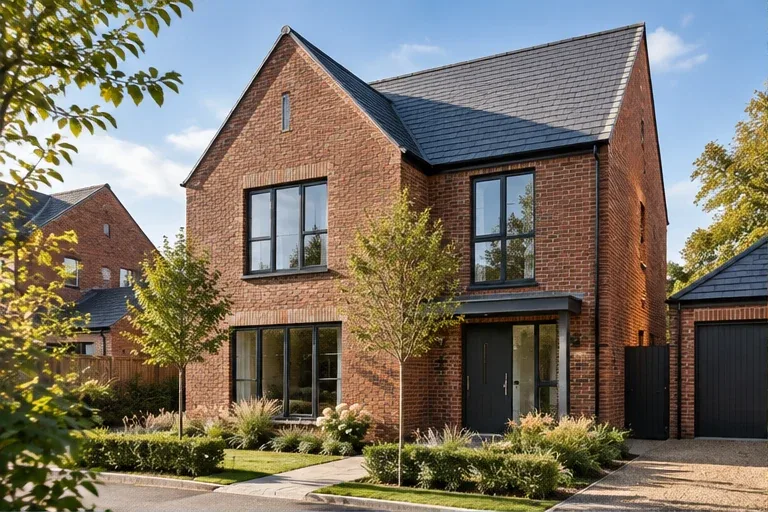
A target becomes useful when the team can see its assessment boundary, required evidence and effect on the building.
Energy compliance, overheating and whole-life carbon use different methods and answer different questions. We establish the brief for each, then compare design options using consistent information. A compliance result alone is not a forecast of actual energy use or a whole-life carbon claim.

Use the applicable domestic or non-domestic calculation to test fabric and systems. Keep the regulatory result distinct from any additional operational-energy question and commission the method that answers the brief.
Test glazing, shade, openings and ventilation against the required overheating method. A modelled strategy needs to be practical within the building’s acoustic, safety, security and controls constraints.
Start from quantities, carbon sources and agreed life-cycle assumptions. Whole-life carbon assessment can identify hotspots and compare defined options while the design and procurement choices remain open.
Name the site, stage, applicable policy or client target, method and decision date.
Separate measured quantities, product evidence and confirmed design information from assumptions that will need updating.
Test realistic options and record the chosen performance requirements in the project information.
Send the project brief, design stage and available information. We will identify the assessments and evidence that belong in the scope.