Detail readiness
A dimensioned build-up with clear materials, conductivities and interfaces produces a defensible result. Sketches with unresolved cavities or components need clarification before modelling.
Thermal bridging
Turn dimensioned junction details into traceable heat-loss values and useful design feedback.
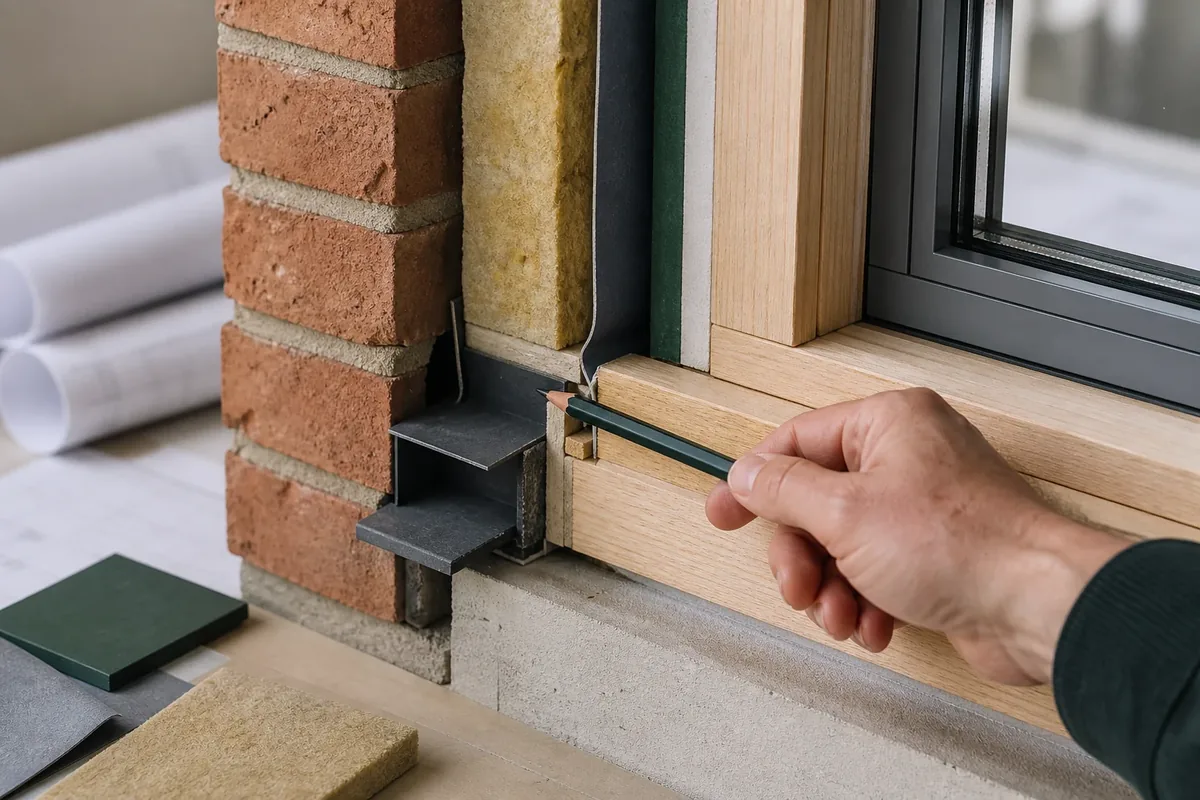
A good U-value does not describe heat flow at junctions. Psi values quantify the additional linear heat loss at details such as wall-to-floor, lintel, jamb, roof and party-wall connections.
We review the proposed junction, identify the calculation convention and establish whether a two-dimensional thermal model is appropriate; some junctions need three-dimensional treatment. Where suitable, we build the two-dimensional model from the construction information supplied. The result can support SAP or SBEM inputs where the relevant methodology permits it. More importantly, the temperature and heat-flow pattern can expose insulation gaps, conductive paths and surface-temperature risks while details can still be improved.
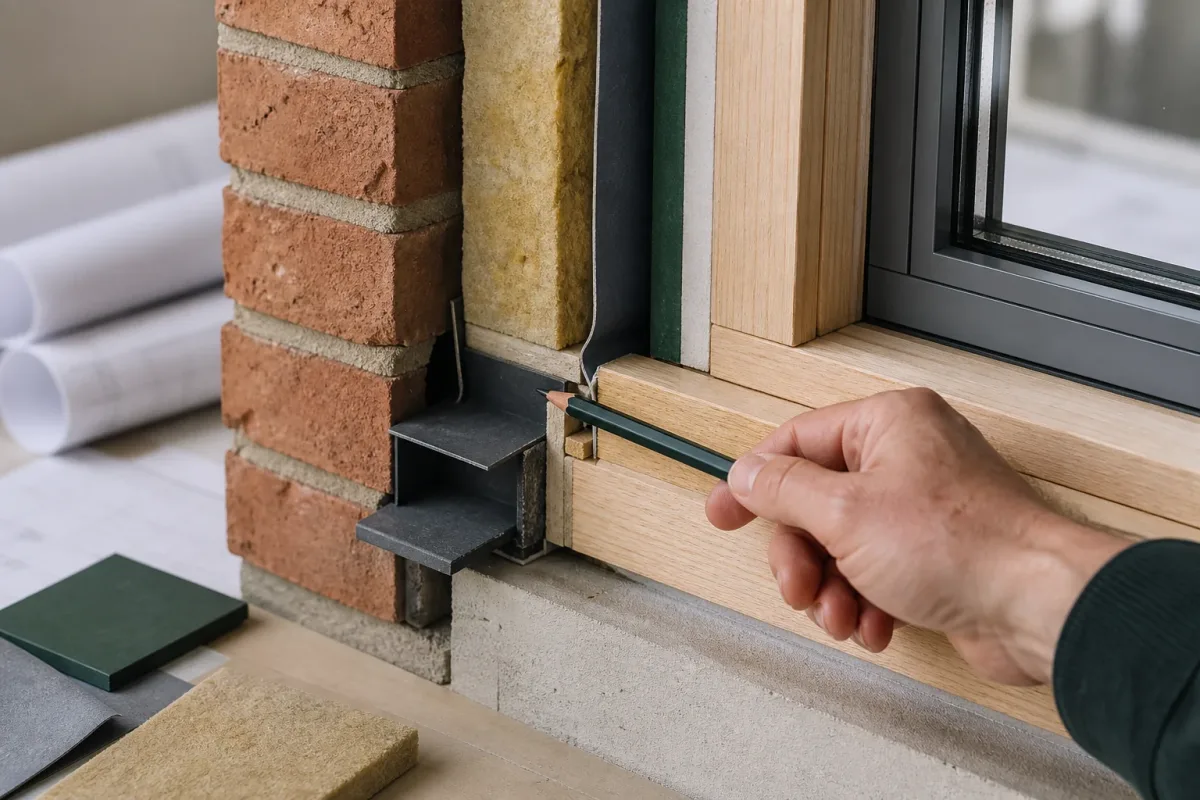
A dimensioned build-up with clear materials, conductivities and interfaces produces a defensible result. Sketches with unresolved cavities or components need clarification before modelling.
We explain where heat is bypassing the intended insulation line and can test a defined revision. The objective is a buildable continuous thermal envelope, not simply a lower number.
House-type and construction systems often reuse junction principles. We can organise commissioned details into a controlled schedule so applicability and revisions remain visible.
A calculated value belongs to the modelled junction and conventions. Changes to insulation, blockwork, lintels or dimensions may affect its applicability; keep the drawing revision with the value used by the energy assessor.
Geometry, material inputs, boundary conditions, results and relevant conventions.
Surface-temperature information where included in the agreed scope.
Values and references formatted for practical use by the assessor and design team.
Getting started
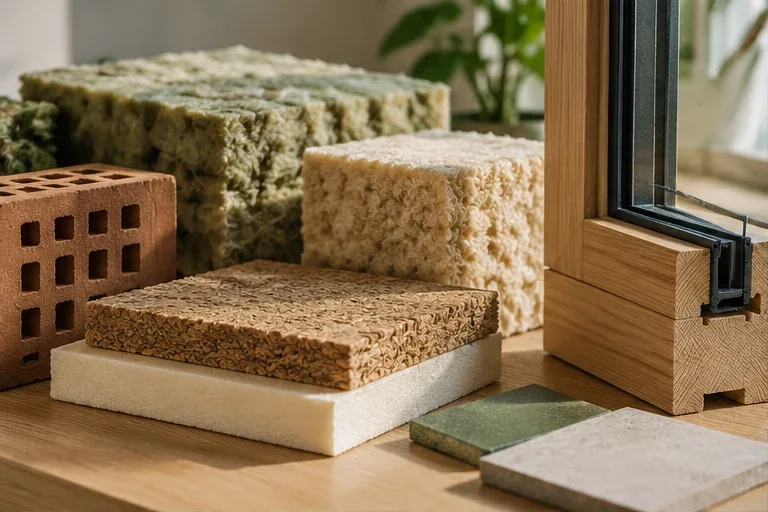
Dimensioned detail showing layers, interfaces, fixings and relevant internal and external extents.
Thermal conductivities, thicknesses and product information for non-standard components.
The energy methodology, junction reference, construction type and any project-specific requirements.
No. A U-value describes heat flow through a plane element. A psi value describes additional heat flow along a junction.
Yes, if it is sufficiently dimensioned and the materials and interfaces are defined.
Only where the detail, materials, dimensions, conventions and applicability genuinely match. We do not assume transferability without review.
Use the edition, jurisdiction and assessment route that apply to the project. Publication of newer guidance does not automatically change an existing project’s requirements.
Provide the drawing, construction build-up and intended calculation use. We will confirm whether the information is ready to model.