Homes and small projects

SAP for extensions and conversions

Establish the energy-compliance route for an extension or conversion, including glazing and compensatory calculations where appropriate.

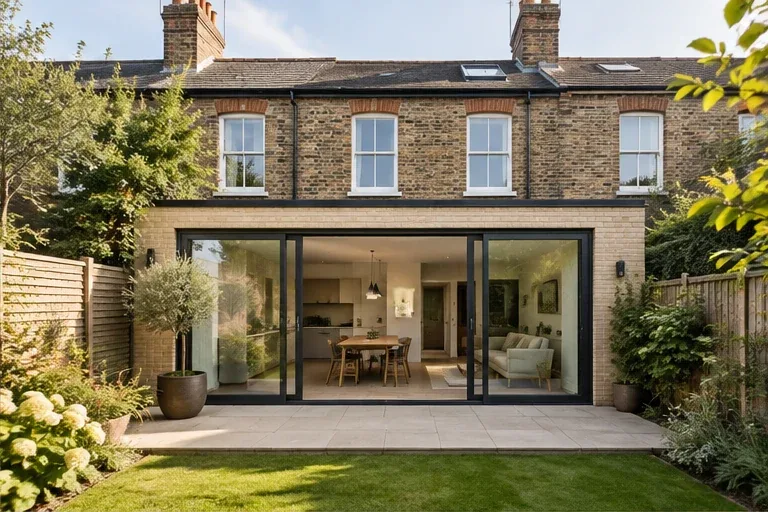
A rear extension with large glazed doors opening to a garden.

When you need this work

A domestic project can need an energy assessment even when it is not a new home. The route depends on the proposed glazing, retained building, new thermal elements, services and the approach accepted by building control.

We review the proposal and explain whether a calculation is likely to be required, what it needs to demonstrate and which information is still missing. Where a whole-dwelling or compensatory calculation is appropriate, we compare the proposed dwelling and extension with the same existing dwelling plus a compliant reference extension, using the baseline required by the applicable method. This is a design and compliance service, not an existing-home RdSAP EPC survey.

A loft bedroom with rooflights bringing in daylight.

What we check

Disproportionate glazing

Large openings can exceed the area accommodated by a straightforward elemental route. A calculation may show how improved fabric or other measures compensate, subject to the applicable requirements and building-control agreement.

Existing-building evidence

Plans, construction age, retained elements, heating systems and any known upgrades help establish the baseline. We make uncertainty visible and request evidence where it matters.

Design choices

We explain the relative effect of glazing, insulation, junctions and services so the architect or homeowner can choose changes that suit the project rather than chase a number blindly.

Common coordination issue

Existing and proposed drawings must describe the same whole building. Missing retained rooms, removed openings or earlier insulation upgrades can change a compensatory calculation and should be resolved before options are compared.

What you receive

Route confirmation

A clear description of the agreed assessment approach and the information on which it relies.

Calculation and options

The relevant calculation with proportionate design feedback where changes are needed.

Submission output

A report suitable for the agreed building-control purpose, with assumptions and specifications recorded.

Getting started

What we need

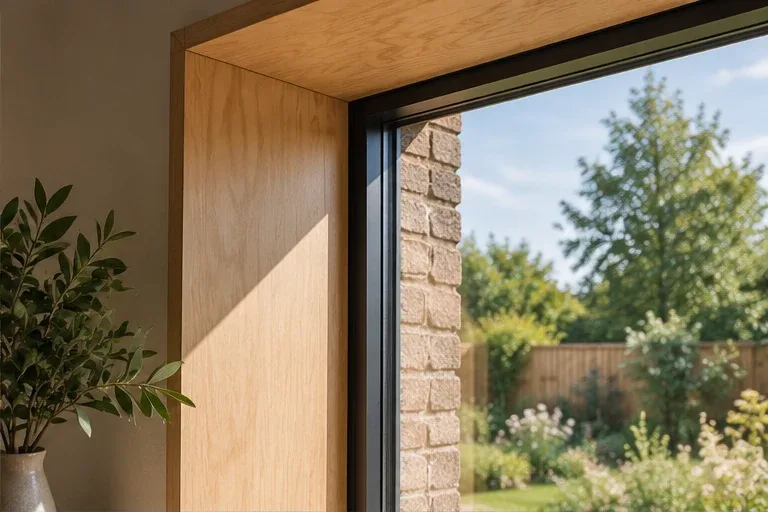
A deep window reveal bringing daylight into a modern interior.

Existing and proposed drawings

Dimensioned floor plans, elevations and sections showing retained, altered and new work.

Construction information

Known build-ups, U-values, window specifications, heating and hot-water systems, and evidence of previous upgrades where relevant.

Project context

Site location, building-control comments, planning constraints and the intended construction programme.

Ask about an extension

Before commissioning

Do all extensions need SAP calculations?

No. The need depends on the project and compliance route. Send the drawings and building-control requirement and we can confirm the likely scope.

Can you help before planning?

Yes. Early advice is useful where the architectural intent includes extensive glazing or limited space for insulation.

Can the calculator replace an assessment?

No. The online extension calculator is an early design aid. A formal submission needs project-specific information and the appropriate professional calculation.

What does an extension or conversion assessment cost and how quickly can it be done?

The fee and programme depend on the building, drawing quality, glazing strategy, route requested by building control and number of options to test. Send the existing and proposed plans plus any building-control comment for a written scope.

Sources and further reading

Use the edition, jurisdiction and assessment route that apply to the project. Publication of newer guidance does not automatically change an existing project’s requirements.

Check the route before changing the design

Share your existing and proposed drawings. We will tell you what assessment is likely to be useful and what information it needs.

Ask about an extension